Water is a part of many preparedness plans, and water emergencies are among the fastest and most dangerous there are. This free Alison diploma, First Aid and CPR Essentials for Lifeguards, runs about 10 to 15 hours and covers CPR and chest compressions, water rescue techniques, injury assessment in aquatic settings, respiratory emergencies, and coordinating with emergency medical services. It is a thorough education in water safety.
Why This Matters for Preppers
Anyone who spends time around water, or plans to rely on it, benefits from understanding water rescue and the CPR that so often follows a drowning. Drowning is fast and quiet, and knowing how to respond is genuinely life-saving knowledge.
The diploma goes deep, covering not just CPR but the specific challenges of aquatic emergencies: how to assess injuries in and around water, choose a rescue technique, and handle respiratory emergencies. That depth is valuable for a serious approach to water safety.
For a prepared household near water, whether a pool, a pond, or open water, this training addresses a real and specific risk. It also reinforces core CPR skills that apply far beyond the water’s edge.
It also teaches coordination with emergency services and proper incident documentation, which reflect the organized, responsible side of emergency response. Those habits translate well to handling any serious incident calmly.
Beyond rescue, the course builds a healthy respect for how quickly water emergencies unfold, which is valuable even if you never perform a rescue. That awareness makes you a more careful presence around pools, ponds, and open water, and prevention is always better than any rescue.
The prevention mindset the course builds is arguably its greatest value. Understanding how drownings happen, quietly, quickly, often within reach of help, makes you a more vigilant presence around water and more likely to stop an emergency before it starts. For a household with water in its life or plans, that awareness alone can save a life.
How Water Rescue Works
The diploma teaches CPR and chest compressions, then the water-specific skills: assessing and managing injuries in aquatic settings, selecting rescue techniques, responding to respiratory emergencies, and working with EMS.
The central lesson is that water changes everything about a rescue. A panicked person in water is dangerous to a rescuer, timing is brutally short, and the techniques are specialized, which is exactly why dedicated training matters so much here.
A crucial caveat: real water rescue demands hands-on training, strong swimming ability, and physical fitness. Treat this diploma as the knowledge foundation, and never attempt a dangerous rescue you are not trained and fit to perform, since would-be rescuers drown too.
If water safety is a real part of your plans, follow this knowledge with in-person rescue and swimming training, and make sure strong swimmers in your household are the ones prepared to act. Knowing the limits of what you can safely attempt is part of the training.
If water safety genuinely matters to your plans, follow this with hands-on rescue and strong swimming training, and designate the fit, capable swimmers as your responders. Learn the reach-or-throw-before-you-go principle cold, so no one attempts a dangerous swimming rescue they are not trained and able to perform.
What You Will Learn
As a diploma, it covers water safety and rescue in real depth. Here is what it covers:
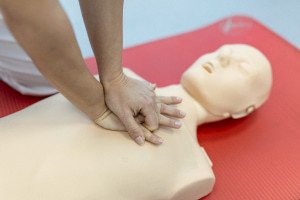
- Effective CPR and chest compression methods
- How to assess and manage injuries in aquatic settings
- How to select appropriate water rescue techniques
- How to recognize and treat respiratory emergencies
- How to coordinate with emergency medical services
- How to document incidents in aquatic areas
- How to recognize and respond to emotional distress in emergencies
Together, these lessons give you a thorough grounding in water safety and rescue, plus the CPR skills that back it up. For any household around water, that knowledge addresses a real and serious risk.
What the Course Covers
- CPR: effective chest compressions and resuscitation, the core skill behind water rescue.
- Water rescue: assessing aquatic injuries and selecting the right rescue technique.
- Respiratory emergencies: recognizing and treating breathing emergencies.
- Working with EMS: coordinating with emergency services and documenting incidents.
- Emotional distress: recognizing and responding to distress during an emergency.
Where It Fits in Your Prep
For households near water or with water in their plans, this diploma addresses a specific, serious risk that general first aid does not fully cover. It is a strong, in-depth addition for that situation.
It builds on core CPR and first-aid skills and deepens them for the aquatic setting. Take a general first-aid course first, then this if water safety is a real concern for your household.
Because it is a 10 to 15 hour diploma, it rewards real commitment, and its rescue skills demand hands-on training and fitness to use safely. Pair the knowledge with proper in-person practice.
Because real rescue demands fitness and hands-on skill, treat the diploma as the knowledge layer and build the physical ability separately. Together they make water safety something you can actually deliver, not just understand.
This is educational knowledge, and an online diploma is not the same as certified, hands-on lifeguard or rescue training. Real water rescue requires strong swimming skills, fitness, and in-person instruction, and this is never a substitute for professional care or for calling emergency services. As an in-depth foundation for water safety, backed by proper training, it is a strong course.
The lessons are free to finish. When you complete the course, a diploma is available that you can add to your resume or LinkedIn, and a credential like this can help you make the case for a job or a raise. Buying the diploma is optional and never required to finish the lessons.
Water emergencies are fast and unforgiving, and understanding rescue and CPR could save a life. This free diploma builds that knowledge in depth. Learn it thoroughly, train hands-on, and respect the real dangers of the water.
Start the free course and work toward your diploma
Looking for more free training like this? Browse the full lineup on our Free Shelf, our hand-picked collection of free Alison courses for preppers.
Some links are affiliate links, and they never change your price. Details: /disclaimer.