A home hydroponic system lets you grow plants without soil by supplying their roots with water and plant nutrients. For a busy gardener, that can mean a tidy countertop herb garden, a larger indoor setup for greens, or an outdoor system that produces a meaningful amount of food in a small footprint.
But hydroponic systems are not interchangeable. A 10-pod countertop garden is excellent for basil, lettuce, and parsley, yet it is not built for a cucumber vine. A large pipe system may hold dozens of plants, but it needs more room, careful assembly, and enough lighting to support every planting site.
The best hydroponic system is the one that matches what you want to grow, where it will live, and how much maintenance you can realistically give it. Use this guide to sort through the important details before bringing one home.
Step 1: Decide What You Want to Grow
Start with the crop, not the product listing. This is the single best way to avoid buying a system that looks impressive but cannot support the plants you actually want.
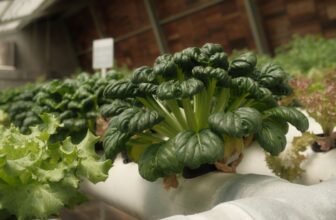
Leafy greens and herbs are usually the easiest place to begin. Lettuce, small leafy greens, basil, cilantro, parsley, and similar compact crops work well in small indoor systems because they do not need a large root zone, much vertical space, or a trellis.
A compact countertop hydroponic garden with 10 planting sites is generally suited to this type of growing. It gives you enough openings for a few varieties without turning your kitchen into a production area. You can seed several lettuces at once, or grow a practical mix such as basil, parsley, cilantro, and chives.
Fruiting vegetables, including tomatoes, peppers, cucumbers, and zucchini, are a different project. These plants get taller, wider, and heavier. They benefit from an extendable grow light and, for climbing crops, a trellis or stakes. If you want cherry tomatoes or cucumbers rather than just greens, choose a system intentionally designed with vertical growing room and plant support.
Flowers can also be grown in systems that offer a flowering or fruiting light setting. That setting is useful when you are growing plants beyond basic leafy greens. Still, do not crowd flowering or fruiting plants into every opening. Mature plants shade each other, compete for room, and can quickly outgrow a small garden unit.
Before shopping, write down your main goal:
- Fresh herbs for cooking: Choose a compact countertop system.
- Continuous salad greens: Choose a system with enough pod space or a larger multi-site setup. Read more about growing lettuce in a small hydroponic system.
- Tomatoes, peppers, cucumbers, or other taller crops: Choose an expandable system with a tall light stand and trellis.
- Maximum outdoor production: Consider a larger outdoor hydroponic or aeroponic system with a substantial reservoir.
Step 2: Match the System Size to Your Available Space
Hydroponics can save soil space, but it does not eliminate the need for physical space around plants. The growing unit, reservoir, light, foliage, power cord, and access for refilling all need to fit comfortably.
For a kitchen counter, look for a self-contained garden with a built-in reservoir, grow light, and planting deck. A model with a visible water-level window is especially helpful. You can check the water without lifting the top, moving plants, or guessing whether the pump is running low.
For a larger indoor system, think beyond the width of the base. Tall crops can extend well beyond the light stand, and a trellis adds height and visual bulk. Place it where you can reach the reservoir, inspect roots and leaves, and refill water without dragging the unit across the floor.
For a balcony, patio, garden, or outdoor growing area, a pipe-based unit with many planting sites can be a good fit. One upgraded style of system uses food-grade PVC-U growing pipes, approximately 2.5 inches in diameter, with planting holes around 1.4 inches wide. That design can hold many plants in a compact layout, but it is still a sizable piece of equipment once fully assembled.
Do not buy by plant-site count alone. A system may have 32, 108, or more openings, but that does not mean every opening should hold a full-size mature vegetable at the same time. Lettuce can be planted much more densely than peppers, tomatoes, cucumbers, or zucchini.

Step 3: Choose the Right Type of Hydroponic System
Home systems generally fall into a few useful categories. Knowing the difference makes shopping much easier.
Compact countertop gardens
These are the simplest systems for beginners. They usually include a water reservoir, planting pods, an LED grow light, a timer, and a small circulation pump. You add water, nutrients, and seeds, then let the system handle much of the daily routine.
A 10-pod Ahopegarden-style indoor garden is an example of this category. Features such as a water-level window, adjustable light height, full-spectrum lighting, and separate vegetable and flower or fruit modes make it convenient for small plants. A timer that runs the light for 16 hours and turns it off for 8 hours also removes one daily task.
Choose this type when you want low-fuss herbs, baby greens, lettuce, or a small indoor garden that stays contained.
Smart indoor gardens with tall grow stands
These systems are still self-contained, but they add more flexibility. A larger reservoir, multiple planter sections, adjustable lighting, timer choices, different brightness settings, and pump modes can give you more control as plants develop.
Some smart systems include a grow stand that extends to about 32 inches and a trellis for vines. That is the feature to look for if you plan to grow taller plants. A trellis gives cucumber and tomato stems somewhere to climb instead of letting them sprawl over a counter, desk, or floor.
Models in this category may have two or three large planter sections. They are a better choice than a small pod garden when your goal is to try tomatoes, peppers, cucumbers, or similar crops indoors.

Large pipe-based circulation systems
A larger hydroponic growing kit uses a pump and tubing to circulate nutrient solution through growing pipes. Some kits include the rack, pipes, pump, timer, hose, plant baskets, sponges, tweezers, sealing tape, and basic assembly tools.
These systems are useful when you have room for a larger planting area and want to grow a substantial number of greens. They can work indoors or outdoors, depending on the setting and the lighting you provide.
The main trade-off is setup. Every connection matters. Loose joints can leak, so once the system is assembled, inspect every connection carefully and secure the joints as directed. Before adding plants, run plain water through the system and check the floor, fittings, and reservoir for drips.
Outdoor aeroponic systems
Outdoor systems are intended for gardeners with patio or garden space who want to grow more than a countertop unit can reasonably produce. An outdoor Aerospring-style system uses low-pressure aeroponics and includes a reservoir, pump, timer, nutrients, and grow cups.
A larger reservoir is especially useful outdoors because it reduces how often you need to refill. A smart Wi-Fi timer can automate irrigation, and easy access to the reservoir makes cleaning and maintenance less frustrating.
Choose an outdoor system only if you have a place where it will be stable, accessible, and protected from accidental bumps. Think about where tall plants will cast shade and where you can work around the unit when it is full of water.
Step 4: Check the Grow Light Before You Buy
In an indoor hydroponic garden, the light is not an accessory. It is the plant’s main energy source. A healthy pump and nutrient solution cannot make up for a light that is too weak, too far away, or poorly matched to the crop.
Look for a full-spectrum LED grow light and an adjustable light assembly. The light must rise with the plants. On a small indoor system, an adjustable light that reaches roughly 15.3 inches may be sufficient for herbs and greens. For tomatoes, cucumbers, or taller plants, look for a substantially taller stand and trellis support.
Timer options are worth paying attention to. Some smart gardens offer choices such as continuous light, 12 hours on, or 16 hours on. Others provide several timer settings and brightness levels. These controls are helpful because seedlings, leafy greens, and flowering plants do not all behave the same way under indoor lights.
If you buy a large multi-level pipe system for indoor use, plan for lighting across the whole growing area. A large number of planting sites without enough light above them will not give you the results you expect. One practical approach for a large rack is to mount multiple long LED grow lights over the rows so plants on the lower or outer sections are not left in shade.
Important small detail: Keep the light close enough to serve the plant canopy as the plants grow, but leave enough room that leaves are not pressed against the fixture. Check plant height every few days during active growth. A lettuce plant can be comfortable one week and suddenly be touching the light the next.
Step 5: Look for Water Management Features That Save Time
Most new hydroponic gardeners focus on the number of pods or plant holes. In practice, water management often determines whether a system feels easy or becomes a chore.
A good home system should make it simple to do four things:
- See the water level.
- Add water without disturbing plants.
- Keep water moving or oxygenated with a pump.
- Empty and clean the reservoir when needed.
A clear water-level window is a very useful feature on a countertop system. It is a small thing, but it prevents the common habit of waiting until plants look stressed before checking the reservoir.
Circulation pumps help move water through the system. In compact gardens, the pump may operate quietly on an automatic cycle. In larger circulation systems, a timer may run the pump on a repeating schedule, such as five minutes every 30 minutes, with adjustment options available depending on the unit.
Smart indoor systems may include more than one pump mode. That can be useful when environmental conditions and plant growth stages differ. The important point is not to change settings constantly. Start with the manufacturer’s recommended mode, observe the plants, and make one change at a time if there is a clear reason.
When refilling, use the fill opening if your system provides one. Do not pour water across the planting deck, into electrical areas, or directly onto foliage. Wipe up splashes right away, especially around cords, timers, and plug connections.

Step 6: Make Sure the Materials and Build Quality Suit Food Growing
When a system will hold nutrient solution around edible plants for months at a time, materials matter.
Look for food-grade components where they contact the water and roots. Some indoor gardens use food-grade ABS for the grow basin and plant holders. Larger pipe systems may use food-grade PVC-U pipes. These details are worth checking because they tell you what the manufacturer intends the system to be used for.
Also inspect the practical construction:
- Stable legs or base: A full reservoir is heavy. Broad support and non-slip feet help keep the system steady.
- Reservoir access: You need to be able to clean it without disassembling the entire garden.
- Quiet pump: This matters in a kitchen, office, bedroom, or open living area.
- Heat dissipation around the light: Aluminum light housings are used in some systems to help manage heat.
- Power-cord organization: Hooks or a protected place for power strips can keep cords away from water and reduce clutter.
For a larger rack system, do not assume every joint is secure simply because it snapped together. After assembly, press or seat the joints firmly as directed, then perform a leak test before you add nutrient solution, seedlings, or expensive seeds.
Step 7: Set Up Your Hydroponic Garden Carefully the First Time
Taking an extra half hour during setup can prevent leaks, weak germination, algae, and crowded plants later.
Choose the location first
Set the unit on a level, sturdy surface near a safe electrical outlet. Indoor systems need a place where the light can operate on its timer without being blocked by cabinets or shelves. Outdoor systems need enough space for the plants to mature and enough access for refilling and cleaning.
Keep the system where you will naturally notice it. A garden placed in an out-of-the-way room is easy to forget, especially when the reservoir needs topping up or a tall plant needs to be tied to its trellis.
Assemble and test with water
Put the structure together according to the instructions. On multi-part pipe systems, inspect each joint, tubing connection, and cap. Add plain water and operate the pump long enough to find slow leaks. It is much easier to correct a loose fitting before roots, baskets, and nutrients are in place.
Add water and nutrients
Once the system is leak-free, fill the reservoir to the recommended level and add the included or recommended plant nutrient. Hydroponic plants do not have soil to supply their mineral nutrition, so nutrient solution is essential.
Do not assume that more nutrients produce faster growth. Use the product directions rather than guessing. Overdoing it is not a shortcut and can make a simple system harder to manage.
Start seeds or transplant small seedlings
Many kits include baskets, growing sponges, humidity domes, labels, and tweezers. Use the labels. When several greens or herbs look alike at the seedling stage, labels prevent confusion later.
If you start seeds in the system, keep the growing medium evenly moist and use the humidity covers only during germination or the very early seedling stage. Once seedlings have emerged and are growing upward, they need light and air around the foliage. Leaving covers on too long creates a cramped, humid environment around young leaves.
If you start seedlings elsewhere, move them into the system gently. Avoid crushing roots into the basket. The roots need room to reach the circulating nutrient solution.

Step 8: Plant for Mature Size, Not for Empty Holes
This is where many first hydroponic gardens go wrong. An empty opening looks like an invitation to plant another seed. But plant holes are not the same as mature plant spacing.
You can use close spacing for small herbs, baby greens, and young lettuce, particularly if you plan to harvest them young. Large lettuce heads need more leaf room. Tomatoes, peppers, cucumbers, and zucchini need considerably more space and should not be packed into adjacent openings.
Use this practical approach:
- For herbs: Plant a selection of compact herbs, but keep aggressive growers trimmed so they do not shade slower plants.
- For lettuce: Sow more than one planting date if you want continuous harvests, rather than planting every site at once and getting a single large flush.
- For fruiting plants: Give each plant its own section when possible, and train stems onto the trellis early.
- For large pipe systems: Reserve close spacing for lettuce and other compact crops. Use fewer sites for larger vegetables.
Plant support is not something to add after the vine has already fallen over. If your system includes stakes or a trellis, install and use them when stems are still flexible. Train vines upward a little at a time instead of forcing a long mature stem into position.
Step 9: Create a Simple Weekly Hydroponic Maintenance Routine
Hydroponics is convenient, but it is not completely hands-off. The good news is that regular small checks are far easier than waiting for a problem.
Every few days:
- Check the water-level window or reservoir level.
- Confirm the pump is operating on its programmed cycle.
- Make sure the grow light is on its expected schedule.
- Raise the light if leaves are getting too close.
- Look under and around the unit for moisture or leaks.
- Remove dead leaves and inspect plants for crowding.
Each week:
- Look at root development and make sure roots are not blocking water pathways.
- Trim herbs regularly to encourage manageable growth.
- Guide climbing stems onto their trellis or support.
- Clean up spilled water, algae-prone residue, and plant debris around the planting deck.
- Check that taller plants are not shading every smaller plant beside them.
When changing water or cleaning the reservoir:
- Unplug electrical components before handling water around the pump or light.
- Remove plant debris from the reservoir and growing channels.
- Rinse accessible parts thoroughly.
- Inspect pump intakes and tubing for residue or blockage.
- Reassemble carefully and run a short leak check before returning plants to their final positions.
A large reservoir can reduce refill frequency, but it does not remove the need to inspect the system. Healthy plants can drink much more water as they grow, especially when they are large, leafy, or fruiting.
Step 10: Avoid the Most Common Hydroponic Buying and Growing Mistakes
Buying a system that is too small for the crop. A countertop garden is not a miniature greenhouse for full-size cucumbers. Match tall or vining crops with an extendable stand and trellis.
Choosing the highest pod count without considering light. More plant sites only help if the system has enough usable light and enough room for the plants to mature.
Skipping the leak test. This is especially important on pipe systems with many connections. Test with plain water first.
Filling every opening with a seed. Dense planting leads to shading and tangled foliage. Leave space for mature plants, not just germination.
Letting herbs become overgrown. Basil and other herbs need regular harvesting and trimming. A few neglected plants can take over a small system and block light from everything else.
Ignoring the water level because the plants still look fine. By the time foliage wilts, the reservoir may be very low. A water-level window makes routine checking easy, so use it.
Forgetting plant support. Tomatoes and cucumbers need a trellis or stakes before they become top-heavy. Do not expect a small light pole to function as a vine support unless the system specifically includes that feature.
Expecting a large system to be maintenance-free. Bigger systems can grow more plants, but they also have more roots, more fittings, and more growing sites to monitor.
Step 11: Choose a System Based on Your Gardening Goal
Here is a practical way to narrow down the options.
Choose a 10-pod countertop system if you want convenience
A compact garden such as the Ahopegarden 10-pod system is a sensible choice for a first indoor garden. Its adjustable light, 16-hour light timer, circulation system, two grow modes, and water-level window are useful for herbs and smaller vegetable plants. It is best for gardeners who want fresh greens close to the kitchen and do not need to grow large vines.
Choose a tall smart garden if you want tomatoes, peppers, or cucumbers indoors
The eSuperegrow 7L-style smart garden is designed around a larger reservoir, adjustable lighting, multiple timer and brightness settings, water circulation, and a tall stand with trellis support. Its three planter sections and approximately 32-inch grow stand make it better suited to gardeners who want to experiment with taller crops.
A similar two-section smart garden setup can suit someone who wants an adaptable indoor system with trellis support but does not need three separate planter areas. Features such as 12-hour and 16-hour timer options, adjustable brightness, and automatic pump operation are useful when you want more control than a basic pod garden provides.
Choose a large pipe system if your priority is plant capacity
An upgraded pipe-based hydroponic kit with up to 108 plant sites is aimed at gardeners with room for a substantial growing setup. It can be appropriate for a balcony, garden, larger indoor growing area, or family food-growing project. Make sure you are prepared to assemble it carefully, test every joint, and provide adequate lighting if it will live indoors.
Choose an outdoor aeroponic system if you have outdoor space and want a larger harvest
An Aerospring Standard outdoor system is suited to growing a wider range of crops outside, from leafy greens to fruits and flowers. Its large reservoir, accessible design, automated timer, pump, grow cups, and included nutrients make it a strong option for gardeners who want a dedicated outdoor food-growing station rather than a countertop garden.
Step 12: Start Small, Learn the System, Then Expand
Hydroponic gardening becomes much easier once you understand how quickly your particular plants use water, how tall they grow under the light, and how often you need to trim or train them.
For a first season, herbs and lettuce are an excellent place to build confidence. Learn to germinate seeds in the included sponges, check water levels, adjust the light, and harvest regularly. Once that routine feels natural, move on to larger planter sections, trellised tomatoes, peppers, or cucumber vines.
The right hydroponic garden should make fresh growing feel more manageable, not more complicated. Select a system with the capacity, height, light controls, reservoir access, and plant support your crops truly need. Then give it a few minutes of attention every few days. That steady routine is what turns a new indoor garden into a dependable source of greens, herbs, and vegetables.
Frequently Asked Questions About Home Hydroponic SystemsCan beginners use a hydroponic system?
Yes. A compact countertop system is one of the simplest ways to begin because the reservoir, pump, planting deck, timer, and grow light are already combined. Start with herbs or lettuce, follow the nutrient directions, check the water level regularly, and keep the light adjusted as plants grow.
What is the easiest plant to grow in a home hydroponic garden?
Lettuce, leafy greens, and compact culinary herbs are practical first crops for a small hydroponic garden. They fit well under a shorter adjustable light and do not require a trellis. Larger crops, such as cucumbers and tomatoes, need more vertical room and support.
Do hydroponic systems need a pump?
Many home systems use a pump to circulate water and improve oxygen movement around roots. Compact gardens commonly use a built-in circulation pump, while larger systems often use a pump and timer to move nutrient solution through pipes or growing channels.
Can I grow cucumbers in an indoor hydroponic system?
You can grow cucumbers in a system designed for taller plants. Look for an extendable grow stand, a trellis or stakes, multiple planter sections, and enough room for the vine to grow upward. A small countertop pod system is better reserved for herbs and leafy greens.
How often should I add water to a hydroponic garden?
Check the reservoir every few days rather than relying on a fixed calendar. Water use changes with plant size and growth stage. A water-level window makes this much easier. Larger reservoirs generally need refilling less often, but all systems still need regular monitoring.
What should I do before planting in a large hydroponic pipe system?
Assemble the system carefully, firmly seat the connections, and run plain water through it before adding nutrients or plants. Check all joints, tubing, and caps for slow leaks. This is particularly important on systems with many pipes and fittings.