Free first aid and CPR classes are easier to find than most people assume. Fire departments run hands-only CPR sessions at no cost, public libraries host certification classes, community emergency response teams bring in professional instructors, and several online providers offer full courses without a fee. The trick is knowing which option matches what you actually need, whether that is a skill you can use in an emergency or a card that satisfies a licensing requirement. Those are two different things, and confusing them is the most common mistake people make when they start searching.
Why Free Training Belongs on a Preparedness List
Most preparedness spending goes toward stuff: water, food, batteries, fuel. Skills are cheaper and they do not expire in a closet. A household that can recognize cardiac arrest, start chest compressions, and put an AED on someone is far more useful in the first five minutes of an emergency than a household with a full pantry and nobody trained.
That gap matters because the free options cover real ground. Hands-only CPR, AED use, choking response, and basic first aid show up again and again in no-cost community classes. You do not need a paid course to learn how to keep blood moving until help arrives. You may need one later if an employer, a licensing agency, or a volunteer program requires an official card. Start with the free skill and add the credential when something actually demands it.
Free Hands-Only CPR and AED Classes at Fire Departments
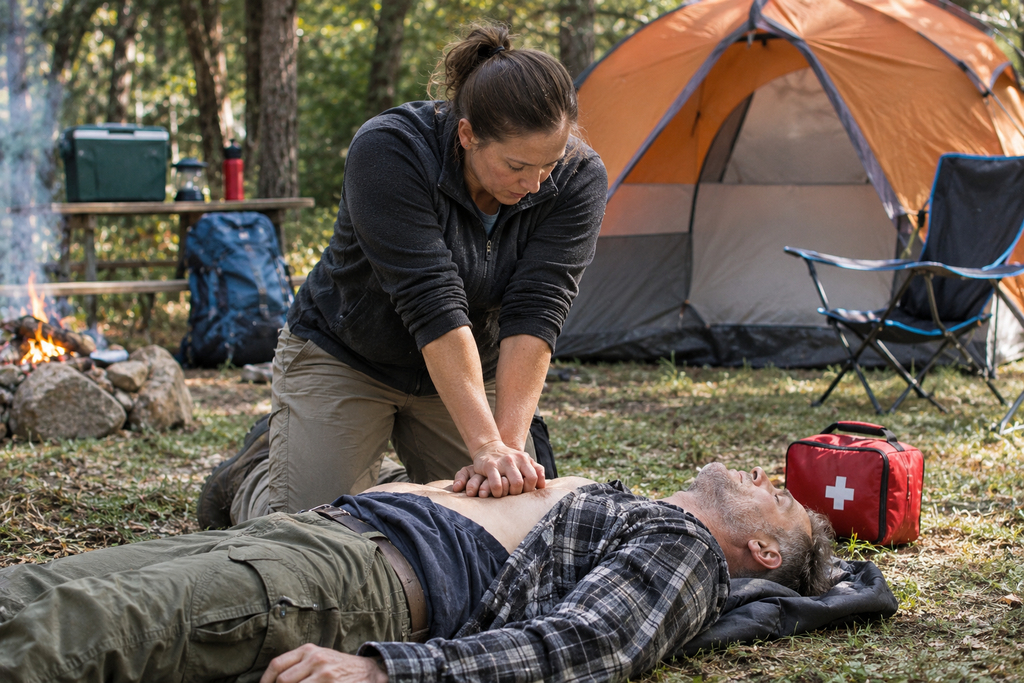
Local fire departments are the most reliable source of free in-person training in the United States. The sessions are usually short, taught by people who run real calls, and open to the public. Many focus on hands-only CPR, meaning compressions without rescue breaths, which is exactly the version bystanders are most likely to perform correctly under stress.
What a Hands-Only Class Typically Covers
Expect compression depth and rate, hand placement, how to check for responsiveness, when to call for help, and how to turn on and apply an automated external defibrillator. The North Las Vegas Fire Department, for example, announced free hands-only CPR and AED classes on Dec. 6 and Dec. 13 at 9 a.m., held at the fire department administration location. That is a typical format: a morning slot, no fee, and a focus on the two skills that buy the most time.
Why the Format Works for Beginners
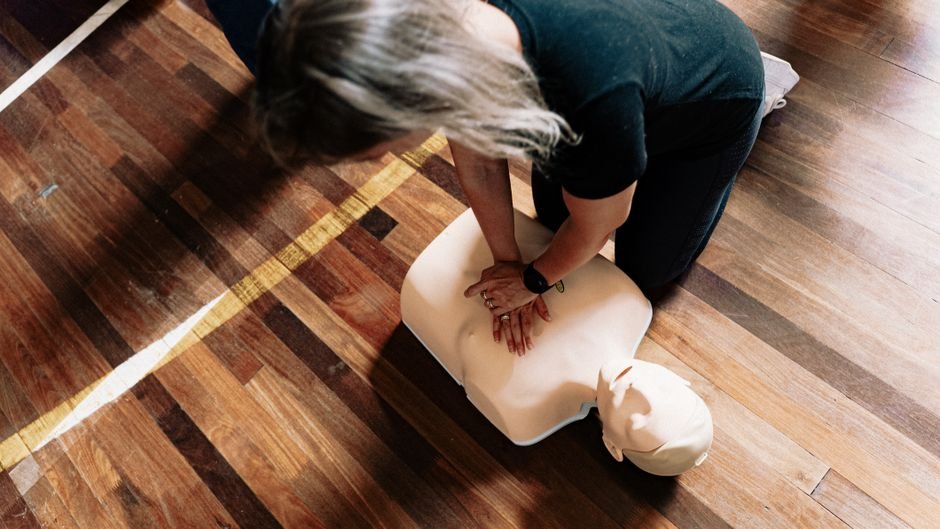
Hands-only training removes the part people dread, which is mouth-to-mouth. Without that barrier, attendance goes up and hesitation goes down. You practice on a manikin, you get corrected in real time, and you leave knowing what 100 to 120 compressions per minute feels like in your own arms. That physical memory is the whole point. No video gives it to you.
Free Classes Through Libraries and Community Programs
Public libraries have quietly become one of the better free training channels. The DC Public Library has hosted a free CPR and AED certification class where students learned to perform CPR, provide basic first aid, and use an AED. Library systems often partner with fire departments, hospitals, or nonprofit trainers, and the events appear on the library’s public calendar alongside book clubs and story time.
Community Emergency Response Team programs are another strong option. Montgomery County’s CERT program offers free hands-only CPR and AED classes taught by American Heart Association professional instructors, open to the public, for adults only. Fire department education divisions also run free or low-cost programming. The Fort Worth Fire Department describes a flexible CPR and first aid program built to prepare people to respond to cardiac arrest and choking, conforming to the 2015 AHA Guidelines.
These programs share one trait worth noting: they are usually listed on municipal or county websites rather than advertised. You have to go looking, and you have to check back, because class dates rotate and seats are limited.
Free Online First Aid and CPR Courses
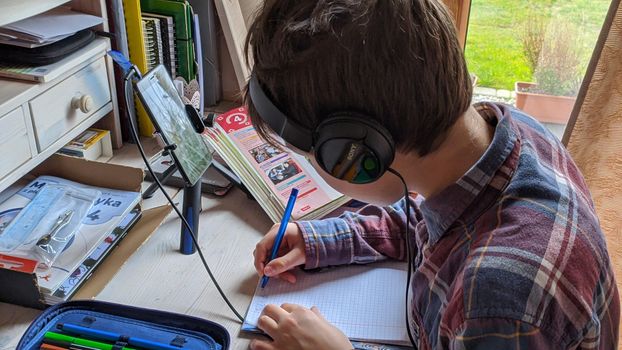
Online options split into two categories that people constantly mix up. One category is free knowledge: full courses, quizzes, videos, and a certificate of completion. The other is free access to a course with paid extras like a printed provider card. Both are legitimate, but only one gives you a wallet card without spending anything.
First Aid for Free
First Aid for Free states that all of its online first aid, CPR, and AED courses are free and open to anyone who registers an account. Each course includes first aid quizzes and videos, and after completing a course you receive a free first aid and CPR certificate that you can download and print. For a household building skills on a budget, that is a clean starting point: register, work through the material, print the certificate, and keep it with your emergency supplies.
Free Course Access With Paid Card Options
Advanced Medical Certification offers a free online CPR, AED, and first aid course created by practicing medical professionals. The course is 100 percent online, works on a computer, tablet, or phone, adheres to the latest ILCOR Standards and Guidelines, and is described as Joint Commission compliant, with a stated 98 percent acceptance rate. Continuing education credits and a printed provider card are available for a fee, and shipping for the card applies if you qualify. In other words, the training costs nothing and the plastic does.
Comparing the Free Options
| Option | Cost | What You Get | Best For |
|---|---|---|---|
| Fire department hands-only CPR and AED class | Free | In-person practice on a manikin, compressions and AED use | First-timers who want hands-on repetition |
| Library or community class | Free | CPR, basic first aid, and AED instruction, sometimes with certification | People who want a structured, local session |
| CERT hands-only CPR and AED class | Free | Instruction from American Heart Association professionals | Adults who want in-person training from a known instructor corps |
| First Aid for Free online courses | Free | Videos, quizzes, and a downloadable certificate of completion | Self-paced learners and refreshers |
| Advanced Medical Certification online course | Free course, paid extras | Fully online curriculum with optional printed card and CME credits | People who may later want a physical provider card |

When Free Is Not Enough: Certification and Licensing Rules
This is the part worth reading twice. A free class and a recognized certification are not automatically the same thing. A Bay Area class roundup puts it plainly: you can find free CPR training, but the official license or card usually costs money, and a genuine credential comes from an accredited course. If a job, a foster care license, or a volunteer position requires certification, check the exact wording of the requirement before you sign up for anything.
Michigan’s child welfare licensing resources show how specific these rules get. The cited licensing rule requires at least one adult member of the household to have training in and maintain a current certification in first aid and CPR from the American Heart Association, the American Red Cross, or another institution approved by the department. That resource then lists approved online sources, including First Aid For Free, American Academy of First Aid through onlinecprcertification.net, FirstAidWeb, and American BLS.
The lesson generalizes. Free training is excellent for building skill, and it can satisfy a requirement, but only if the approving body accepts it. Read the rule, look for a list of approved providers, and confirm before you spend a Saturday morning.
How to Find a Free Class Near You
Search results for free CPR training are cluttered with paid providers running ads, so go straight to the sources that actually host free sessions.
- Check your city or county fire department website for public CPR and AED class announcements.
- Search your library system’s event calendar for CPR, AED, or first aid listings.
- Look up your local CERT program and ask about hands-only CPR classes.
- Contact fire department education divisions directly and ask whether classes are open to residents.
- Review community class roundups, but verify details with the hosting organization before attending.
Business directories sometimes list free CPR classes by city, and those lists can point you toward active providers. Treat them as a starting point only. Dates, eligibility, and whether a card is included change often, so confirm with the host.
Getting Real Value Out of a Free Class
Show up ready to practice rather than watch. Ask the instructor where the nearest AED is in the buildings you spend time in, and whether it is registered with local dispatch. Ask what the dispatcher will need from you on the phone. Ask how often the class recommends a refresher, since compression quality fades without repetition.
Then build a small routine. Take a free online course once a year as a knowledge refresher, and take an in-person hands-only class whenever one appears on a local calendar. Add a basic first aid kit to the car and the hallway closet, and note that the same skills apply at home, at work, and on the road. Prepping Bargains keeps a running list of no-cost courses and tools on its free resources page, which is a reasonable place to start when you want to keep building skills without spending a dime.
The bottom line is that free first aid and CPR classes are worth your time almost every time you can get a seat. Skill first, credential second, and verify the fine print whenever someone official needs to see a card.
Frequently Asked Questions
Are free online CPR courses really free?
Several are. First Aid for Free states that all of its online first aid, CPR, and AED courses are free to anyone who registers an account, and completion certificates can be downloaded and printed at no charge. Other providers offer free course access but charge for a printed provider card, continuing education credits, or shipping. Read the course page carefully before you register.
Will a free class give me an official CPR certification card?
Not always. Many free community classes teach hands-only CPR without issuing a card. Some library and community programs do include certification, while online providers may charge for a printed card. If a card is required, confirm with the sponsoring organization and with whoever needs to see the card before you enroll.
Who can attend free hands-only CPR and AED classes?
Eligibility varies by host. Montgomery County’s CERT hands-only CPR and AED classes are open to the public but restricted to adults only. Fire department classes are often open to residents with no age rule stated. Always check the announcement or call the hosting department to confirm age limits, residency rules, and whether registration is required.
Why do some licensing rules require a specific certification?
Agencies often name approved providers so there is a consistent standard. Michigan’s child welfare licensing resource requires current first aid and CPR certification from the American Heart Association, the American Red Cross, or another department-approved institution, and it lists approved online sources. If a rule applies to you, match your course to that approved list rather than choosing whichever class is closest.
This course and several like it are totally free, so you have nothing to lose. You never know when something is going to happen. I hope you will take advantage of this opportunity to be ready.
Diane
Be sure to check out all of the free Alison professional medical courses.