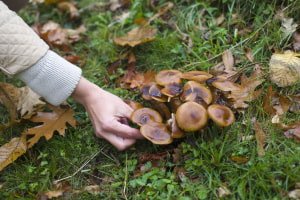
There is real food growing wild all around us, and most people walk right past it without a clue. This free online foraging course from Alison starts to change that. In about 1.5 to 3 hours at an intermediate level, it teaches how to identify wild plants, herbs, and mushrooms safely and responsibly, along with the laws, ethics, tools, and preservation methods that turn a walk in the woods into a genuine food skill. For a prepper, knowing what is edible in your surroundings is a skill worth having long before you ever need it.
Why This Matters for Preppers
Stored food is the backbone of preparedness, but the ability to find food is a different and deeper kind of security. It cannot be used up, misplaced, or forgotten in the back of a closet. Foraging connects you to the calories, vitamins, and medicine that grow on their own, which is a reassuring thing to understand whether you ever rely on it or simply enjoy the knowledge on a weekend walk.
The self-reliance angle is obvious and satisfying. Learning to recognize edible plants and to understand seasons and habitats builds a food awareness that most people never develop. Even in ordinary times, foraging stretches a grocery budget and adds fresh, free food to the table. That is practical self-reliance you can practice safely and often, which is exactly how a skill becomes dependable.
There is a clear budget benefit too. Wild greens, berries, herbs, and mushrooms are free for the picking where it is legal and safe, and a guided foraging class can cost real money. This course delivers the foundation at no cost, and it also covers preservation, so a good find does not go to waste. For a frugal household, that is food knowledge that pays for itself many times over.
And foraging knowledge makes you a resource to others. The person who can point out what is edible, what is not, and how to be sure becomes a valued guide on any group outing. Shared carefully and responsibly, that knowledge is exactly the kind of skill a prepared community likes to have on hand.
How Safe Foraging Works
Safe foraging rests on one rule above all others: never eat anything you have not identified with complete certainty. Correct identification is everything, because some edible plants and mushrooms have look-alikes that are toxic. The course drills the importance of accurate identification and teaches how to recognize common wild plants, mushrooms, and seaweeds across the seasons, along with the tools and clothing that make the work safe and comfortable.
The course also covers the responsible side: the laws and ethics of foraging, taking only what you need, protecting the habitat, and recognizing health hazards and injuries. It includes preservation techniques so your harvest lasts, and even touches wilderness emergency planning. The mindset it builds is careful and respectful, which is exactly the mindset that keeps foraging both safe and sustainable.
What You Will Learn
This is a practical, safety-first introduction to a real outdoor skill. The main outcomes include:
- Understand foraging: learn the concepts, advantages, and responsible approach.
- Follow laws and ethics: apply the legal and ethical guidelines for foraging.
- Gear up correctly: identify the right tools, clothing, and equipment.
- Identify wild food: recognize common edible plants, herbs, mushrooms, and seaweeds by season.
- Prioritize accurate ID: understand why certain identification is non-negotiable.
- Use your harvest: learn culinary and traditional uses plus preservation techniques.
- Stay safe outdoors: recognize health hazards, injuries, and basic wilderness planning.
Together these skills give you a careful, informed way to find and use wild food. The emphasis throughout is on doing it safely, because in foraging, caution is not optional, it is the whole point.
What the Course Covers
- Foraging basics: concepts, advantages, and the responsible mindset.
- Laws and ethics: the rules and etiquette of harvesting wild food.
- Tools and clothing: the right equipment for safe, comfortable foraging.
- Identification: recognizing wild plants, mushrooms, and seaweeds by season.
- Uses and preservation: culinary and traditional uses plus storing your harvest.
- Safety and planning: health hazards, injuries, and wilderness preparation.
Where It Fits in Your Prep
Foraging is a natural companion to your food storage and gardening. Where stored food and a garden give you a supply you control, foraging adds an awareness of the free food already around you. Pair this course with a good regional field guide for your own area, and if you can, a local foraging group or an experienced forager, so you can confirm identifications in person before anything reaches your plate.
It sits well beside the gardening and food-preservation courses on the Free Shelf, rounding out a food strategy that covers growing, finding, and keeping. Start with the easiest, most unmistakable species, build your confidence slowly, and let the preservation skills make the most of whatever you gather.
What This Course Is and Is Not
This is an intermediate introduction that builds real awareness, but it is not a substitute for hands-on, expert-verified identification. Its plant examples lean on the United Kingdom, so the principles travel but the specific species and seasons will differ where you live, which makes a local field guide or mentor essential. Most important: never eat any wild plant or mushroom unless an expert-verified identification confirms it is safe, because a mistake can be serious. Treat this course as the careful first step it is meant to be.
The lessons are free to finish. When you complete the course, a certificate is available that you can add to your resume or LinkedIn, and a credential like this can help you make the case for a job or a raise. Buying the certificate is optional and is never required to finish the lessons.
Final Thoughts
Learning to see the wild food around you changes how you walk through the world, and it adds a quiet layer of security that no pantry can match. Done carefully, with certain identification and respect for the land, foraging is one of the most rewarding self-reliance skills there is. This course is a safe, sensible place to begin, and it will not cost you a thing to start.
Start the free course and earn your certificate.
Looking for more like this? Browse the Free Shelf, our growing shelf of free Alison courses for preppers.
Some links are affiliate links, and they never change your price. Details: /disclaimer