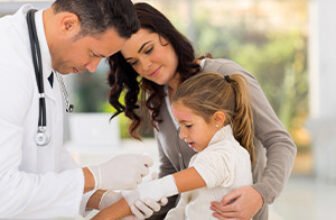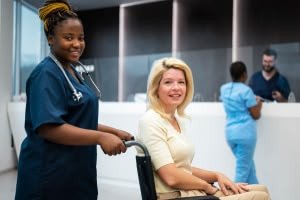
Caring for someone who is sick or recovering is a skill in itself, and it becomes vital when professional help is stretched or far away. This free Alison diploma, Nursing Assistant Fundamentals and Patient Care, covers anatomy and physiology, infection control, safe patient handling, daily care, wound care, respiratory support, and emergency response. It is a broad grounding in hands-on care.
Why This Matters for Preppers
Preparedness usually focuses on emergencies, but many real situations involve caring for someone over days or weeks: an illness, an injury, an older family member. This diploma teaches the fundamentals of that ongoing care, which is a genuine gap in most preparedness plans.
In a prolonged disruption, a household may need to care for a sick or injured member with limited outside support. Knowing the basics of patient handling, hygiene, and daily care helps you do that safely, both for the patient and for the caregiver.
The infection-control and safe-handling content is especially valuable. Preventing the spread of illness in a household and moving a patient without injuring them or yourself are exactly the practical skills prolonged care demands.
It also builds real empathy and competence for caregiving, which many people find themselves doing for family without any training at all. Even the fundamentals make that role less overwhelming and more effective.
Longer-term care also protects the caregiver, not just the patient. Learning safe handling, hygiene, and routine helps you support someone without exhausting or injuring yourself, which matters enormously when the caregiving may stretch on and outside help is limited.
The dignity side of this training matters as much as the technique. Caring well for someone who is ill or recovering, keeping them clean, comfortable, and respected, protects both their health and their spirit, which is easy to overlook until you or a loved one is on the receiving end. Those human skills are a real part of a resilient household.
How Patient Care Works
The diploma covers the healthcare context and the nursing assistant’s role, then the practical skills: anatomy and physiology, infection control, safe patient handling, assisting with daily activities, wound care, respiratory support, and emergency response.
The through-line is competent, dignified care over time. Unlike first aid, which handles the acute moment, this is about supporting someone day to day, safely and humanely, which is a different and equally important skill.
Take it as educational grounding rather than a clinical qualification. It gives you the fundamentals of caregiving that help a household support a sick or recovering member, while serious medical needs still call for a professional whenever one can be reached.
Approach it as a set of practical routines to build: safe ways to move and reposition a patient, clean techniques that prevent the spread of illness, and a steady rhythm of daily care. Practicing those on the everyday needs of your household makes them ready for harder times.
Build the practical routines the course teaches into everyday life where you can: safe lifting and repositioning, thorough handwashing, and a steady care schedule. Practicing them on ordinary needs makes them second nature, so that if a household member needs sustained care, you can provide it safely and calmly.
What You Will Learn
As a diploma, it gives a broad grounding in caring for a patient. Here is what it covers:
- The healthcare system and the nursing assistant’s role
- Ethics, patient rights, and communication
- Basic anatomy and physiology
- Infection control
- Safe patient handling and movement
- Assisting with daily care activities
- Wound care and respiratory support
- Emergency response and specimen collection
Together, these lessons give you the fundamentals of caring for a sick or recovering person over time. That ongoing-care capability is a real and often overlooked part of a household’s resilience.
What the Course Covers
- The caregiver’s role: the healthcare context, the nursing assistant’s role, ethics, and patient rights.
- Body basics: the anatomy and physiology behind good care.
- Infection control and handling: preventing the spread of illness and moving patients safely.
- Daily care: assisting with the everyday activities a patient needs help with.
- Care skills: wound care, respiratory support, and emergency response.
Where It Fits in Your Prep
This diploma fills the ongoing-care gap that most preparedness plans leave open. For a household that may need to care for a sick, injured, or older member over time, it is a valuable and unusual addition.
It complements first-aid training, which handles the acute emergency, by teaching the sustained care that often follows. Together they cover both the crisis and the recovery.
Because it is a broad diploma, it rewards a real time investment. Treat it as caregiving fundamentals for the home, and keep professional medical care in the plan for anything beyond the basics.
Keep professional medical care in the plan for anything beyond the fundamentals, and treat this as the sustained-care layer that first aid does not cover. Together they carry a household through both the emergency and the recovery.
This is educational knowledge oriented to a professional caregiving role, not a nursing qualification or a license to practice, and it is not a substitute for professional medical care. It is useful background for supporting a family member’s everyday care, but serious medical needs require a professional whenever one can be reached. On those terms, it is a genuinely valuable free diploma.
The lessons are free to finish. When you complete the course, a diploma is available that you can add to your resume or LinkedIn, and a credential like this can help you make the case for a job or a raise. Buying the diploma is optional and never required to finish the lessons.
Caring for someone over time is a skill many of us end up needing, and this free diploma teaches its fundamentals. Learn to care safely and with dignity, and keep professional help in the plan for whatever goes beyond the basics. Learned well, these fundamentals let a household care for its own with competence and compassion when outside help is thin, which is preparedness in its most human form.
Start the free course and work toward your diploma
Looking for more free training like this? Browse the full lineup on our Free Shelf, our hand-picked collection of free Alison courses for preppers.
Some links are affiliate links, and they never change your price. Details: /disclaimer.