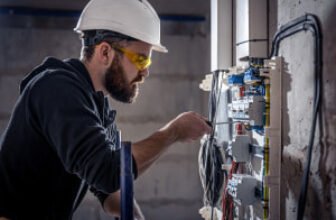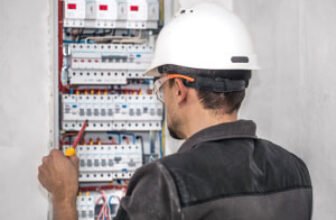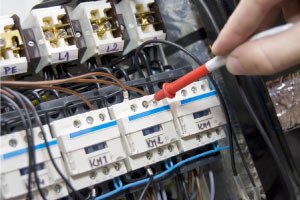
Every self-reliant project eventually needs a wire run somewhere it is not. A light in the shed, an outlet in the workshop, a clean hookup for backup power. This free Alison course, about 1.5 to 3 hours at a beginner level, walks you through the boxes, conduit, and cable that make those runs safe and tidy. If you would rather understand your own wiring than hope a stranger did it right, start here.
Wiring has a reputation as a dark art, and most of that reputation is just unfamiliar vocabulary. Device boxes, raceways, conduit, conductors: learn the words and the logic behind them, and the job stops looking like magic and starts looking like careful work you can do slowly and check twice.
For a prepper, this skill pays off in independence. A workshop you wired, a shed with its own light, a panel you understand well enough to trace when a breaker trips. You do not have to wait on an electrician for every small change, and you know exactly what is behind your walls.
This is a beginner introduction to the physical wiring craft, not a full electrical-code course. It shows you the components and the hands-on techniques, like bending conduit and pulling cable, without pretending to replace a licensed job where one is required. It fits the hands-on beginner best, and it pairs well with an electrical safety course so you build good habits from the first run.
Why This Skill Is Having a Moment
Backup power, home workshops, sheds, and off-grid cabins all have one thing in common: at some point they need a circuit run to them. As more people build out that kind of self-reliance, basic wiring has quietly become one of the most useful hands-on skills a household can have.
Knowing the craft also makes you a better customer when you do hire out. You can tell a tidy job from a rushed one, ask sharper questions, and spot a corner being cut before it becomes your problem a year later.
What You Will Learn
- What electrical device boxes do and the terms that go with them
- How to make clean 90-degree bends and segment bends in conduit
- The fasteners and methods that hold raceways securely in place
- Conductor and cable terminology you will meet on every job
- The tools of the trade, from fish tapes to wire grips, and when to reach for each
What the Course Covers
- Device boxes. You start with the boxes that house connections and devices, including the terminology that makes the rest of the wiring world readable.
- Bending conduit. The course teaches the steps for 90-degree bends and segment bending, a skill that separates a tidy install from a frustrating one.
- Raceways and fasteners. You learn how raceways are attached and secured, so your runs stay put and stay safe over years of use.
- Conductors and cable. Cable and conductor terminology gets demystified, giving you the language to choose and handle the right wire for a run.
- Conduit tools. Fish tapes, wire grips, and the other tools of conduit work are introduced with their real jobs, so you know what to buy and why.
- Putting it together. The pieces combine into an understanding of how a wiring system is planned and pulled, from box to conductor to finished run.
The Credential and Your Resume
The lessons are free to finish. When you complete the course, a certificate is available that you can add to your resume or LinkedIn, and a credential like this can help you land a job or make the case for a raise. Buying it is optional and never required to finish the lessons.
Final Thoughts
A wire run you did yourself, safely and neatly, is a small kind of freedom. This course hands you the vocabulary and the first techniques to get there, in an afternoon of focused learning. Free to take, honest about its limits, and a solid first step toward wiring your own corner of the world.
Start the free course and earn your certificate
For more free training organized by preparedness skill, browse the Free Shelf.
Some links are affiliate links, and they never change your price. Details: /disclaimer.