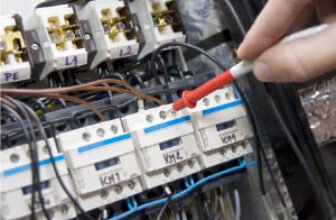
A well pump that quits, a generator that will not turn over, a motor that hums but never spins. When you rely on machinery, the difference between a bad afternoon and a bad month is whether you can diagnose it. This free Alison course, roughly 4 to 5 hours with video, teaches practical electrical maintenance and troubleshooting. If your self-reliance depends on hardware that has to keep working, this course earns its place.
Most equipment failures announce themselves before they happen. A bearing runs hot, an alignment drifts, insulation starts to break down. Learn to read those signs and you move from replacing broken machines to catching problems while they are still cheap and small.
Truth is, the parts that most often fail are the ones people never inspect. Motors, couplings, and the connections around them do the quiet, constant work. A little maintenance knowledge keeps a pump moving water and a motor doing its job long past the point where a guesser would have given up and bought new.
This is a practical maintenance and troubleshooting course leaning toward motors and industrial machinery, not a beginner electricity primer. It fits the reader who already grasps the basics and wants to keep real equipment running, whether that is a homestead well pump, a generator, or shop machinery. If you are brand new to electricity, take a basics course first, then come back to this one.
Why This Is Worth Your Time Now
New equipment is not always easy to get, and prices on motors, pumps, and parts have not exactly gotten friendlier. That makes keeping what you already own running longer more valuable than it was a few years ago. A machine you can maintain is a machine you are not scrambling to replace at the worst possible moment.
For a self-reliant household, that independence compounds. The well pump, the generator, the shop tools: every one you can service yourself is one less thing that can strand you while you wait on a technician who may be days out.
What You Will Learn
- How to check air gap dimensions before starting large motor bearings
- The classes of electrical insulation and what their temperature ratings mean
- The difference between coupling alignment and shaft alignment, and why it matters
- How angular misalignment shows up in your readings
- How to identify single-phase alternator terminals and common induction motor uses
What the Course Covers
- Motor checks. You learn the inspections that come before starting a large motor, like verifying the air gap, so small oversights do not become expensive failures.
- Insulation classes. Electrical insulation is graded by how it holds up to heat, and knowing the classes helps you judge what a machine can safely handle.
- Alignment. The course separates coupling alignment from shaft alignment and explains why getting them right protects bearings and extends machine life.
- Misalignment diagnosis. You learn how angular misalignment appears in alignment readings, turning a confusing symptom into a clear fix.
- Alternators and motors. Single-phase alternator terminals and induction motor applications get covered, grounding the theory in the hardware you actually meet.
- Troubleshooting mindset. The through-line is diagnosis: how to observe, narrow down, and repair rather than replace on a hunch.
The Credential and Your Resume
The lessons are free to finish. When you complete the course, a certificate is available that you can add to your resume or LinkedIn, and a credential like this can help you land a job or make the case for a raise. Buying it is optional and never required to finish the lessons.
Final Thoughts
Machines are only an asset while they run, and running them is a skill you can learn. This course gives you the maintenance and troubleshooting habits that keep pumps, generators, and motors alive through the seasons you need them most. Free to take, genuinely practical, and the kind of knowledge that pays for itself the first time it saves a repair.
Start the free course and earn your certificate
For more free training organized by preparedness skill, browse the Free Shelf.
Some links are affiliate links, and they never change your price. Details: /disclaimer.