Renewable is about the source. Sustainable is about whether it can keep going without wrecking something else. Sustainable and Renewable Energy is the free course that teaches both, side by side. It runs about 1.5 to 3 hours at the beginner level and costs nothing to take.
Why this angle is drawing interest
Plenty of people can name solar and wind now, but far fewer understand the trade-offs, and that gap is where bad decisions live. Interest in the sustainable side has climbed as households and small communities try to build energy plans that hold up for years, not just look good on paper. The honest weighing of benefits and drawbacks is the part that actually protects your money and effort. For a prepper thinking in terms of long-term self-reliance, sustainability is not a buzzword. It is the difference between a setup you can keep running and one that quietly falls apart.
How the course frames each source
Rather than cheerlead, the course walks through solar, bio, wind, thermal, and tidal energy and asks the grown-up questions about each: how you harness it, what it costs the surroundings, and where it genuinely fits. It connects renewable energy to the broader idea of sustainable development, looks at real environmental effects on biodiversity, and even examines how one region's renewable future is shaping up over the coming years. The result is a balanced view that treats you like an adult who can handle both the upside and the catch.
That balance is the value. When you know the drawbacks going in, you choose a source that suits your land and your budget, and you are not blindsided later by the part the sales page left out.
It pairs naturally with Renewable Energy Fundamentals on our Free Shelf. Fundamentals shows you the sources; this one teaches you to weigh them.
Putting the trade-offs to work
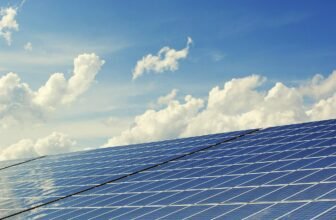
Consider a simple choice the course prepares you for: solar panels versus a wood-fired option for heat and cooking. Solar is clean and quiet but leans on batteries and fades in a long overcast stretch. Wood is renewable only if you have the trees to sustain it, and it carries real smoke and safety costs. Neither is simply better, and the course teaches you to see that clearly. For a prepper, sustainability really comes down to three honest questions: can you repair it, can you keep feeding it fuel, and will it last. Answer those before you buy, and you end up with a setup that survives the years rather than one that looks impressive for a season.
This is also how you avoid the trap of chasing the newest, greenest option just because it sounds good. The most sustainable choice for you is the one that fits your land, your climate, and your ability to keep it running, and sometimes that is the plainer technology. The course gives you the honesty to make that call without guilt or hype.
What you will learn
- What separates sustainable energy from simply renewable
- How to harness solar, bio, wind, thermal, and tidal power
- The real benefits and drawbacks of each source
- How renewable energy ties into long-term sustainability
What the course covers
- Define the terms: sustainable versus renewable and why the difference matters.
- Harness each source: the techniques behind solar, bio, wind, thermal, and tidal.
- Weigh the trade-offs: the benefits and drawbacks of each honestly.
- See the big picture: environmental effects and the road ahead.
The lessons are free to finish. A certificate is available on completion that you can add to your resume or LinkedIn, and clear thinking about energy trade-offs is exactly the judgment employers value. Buying it is optional and never required to finish the lessons.
A power plan that lasts is a power plan you understood before you built it. Learn to weigh the sources, and the right choice for your home gets a lot clearer.
Start the free course and earn your certificate
This course is part of our Free Shelf collection of free courses for preppers, in the Keep the Lights On track.
Some links are affiliate links, and they never change your price. Details: /legal-pages/affiliate-disclosure/