
Power outages can strike unexpectedly, leaving homes without electricity and disrupting daily life. Being well-prepared is crucial for ensuring the safety and comfort of your household during such events. This guide provides essential tips and a comprehensive playbook to help you navigate power outages, from the initial moments to extended durations.
Understanding Outages
Understanding the nature and causes of power outages is the first step in preparing effectively. Knowing why your electricity might go out, how long it could last, and how to stay informed will empower you to react appropriately when a power outage occurs. Being proactive can significantly reduce stress and potential hazards during an emergency.
Causes of Power Outages
Service interruptions can stem from a variety of sources, with severe weather being the number one cause of outages. Thunderstorms, high winds, freezing rain, and heavy snowstorms frequently cut power lines and damage electrical equipment. Beyond weather, even seemingly innocuous events like birds nesting in sensitive equipment or squirrels chewing through a wire can put you in the dark. Furthermore, dead tree branches can down power lines, and natural corrosion can cause electrical failures due to normal wear and tear on components, cables, connectors, and transformers. Human error, such as car accidents or digging before checking for underground lines, also commonly knocks out electricity, highlighting the diverse reasons residents may lose power.
Common Duration of Power Outages
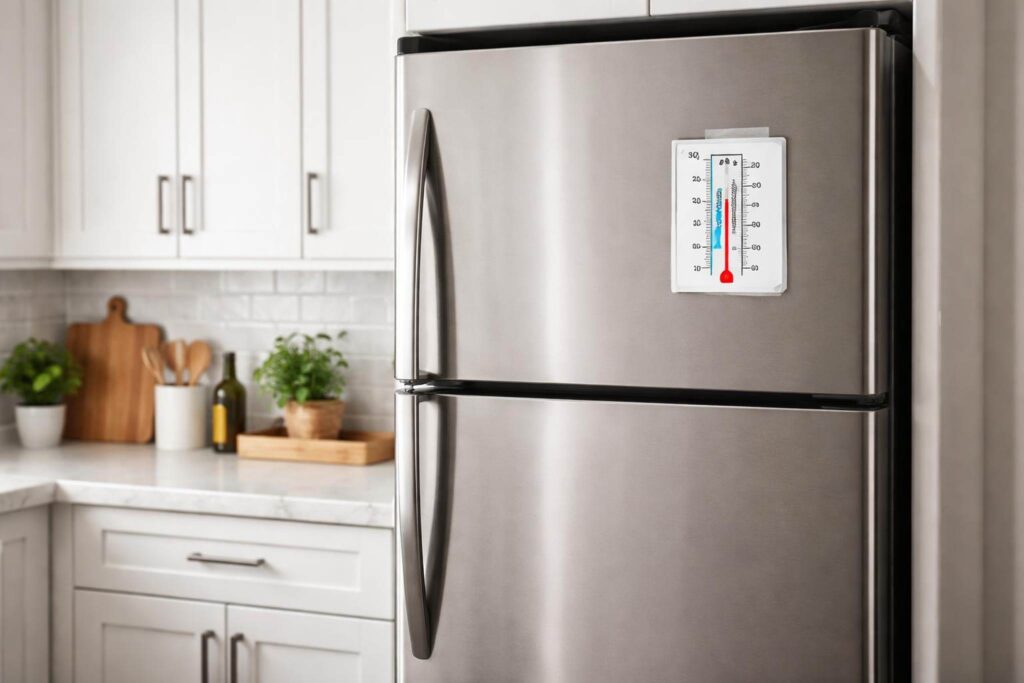
While many power outages last only a handful of minutes before power is restored, the average length of time U.S. customers experience power interruptions each year is approximately six hours. However, total system failures and extensive blackouts, perhaps caused by a major storm, can last several hours or even a couple of days, depending on their severity and the extent of damage to the electric grid. It’s important to prepare for extended power outages, as an unopened refrigerator will keep food cold for about 4 hours, and a full freezer can maintain a safe temperature for about 48 hours (or 24 hours if it is half full) if the door remains closed.
How to Stay Informed During an Outage
When a power outage occurs, all outages should be immediately reported to your electric company to ensure they are aware of the situation and the location. You can typically report your outage by following automated instructions, which helps the utility company understand the extent of the problem and provide an estimated time for service restoration. To stay connected and receive timely information, it’s advisable to sign up for weather alerts through a reliable weather app or local weather station. Many utility providers also offer power alerts that notify you when there’s an outage in your area, when your power might return, or when a planned outage is scheduled, often via call or text to your cell phone. Additionally, utility officials may come to your door to alert you of planned power outages, and monitoring local alerts and warning systems, perhaps on a battery-powered radio, is a crucial tip for keeping informed.
Preparing for a Power Outage
Creating an Emergency Kit
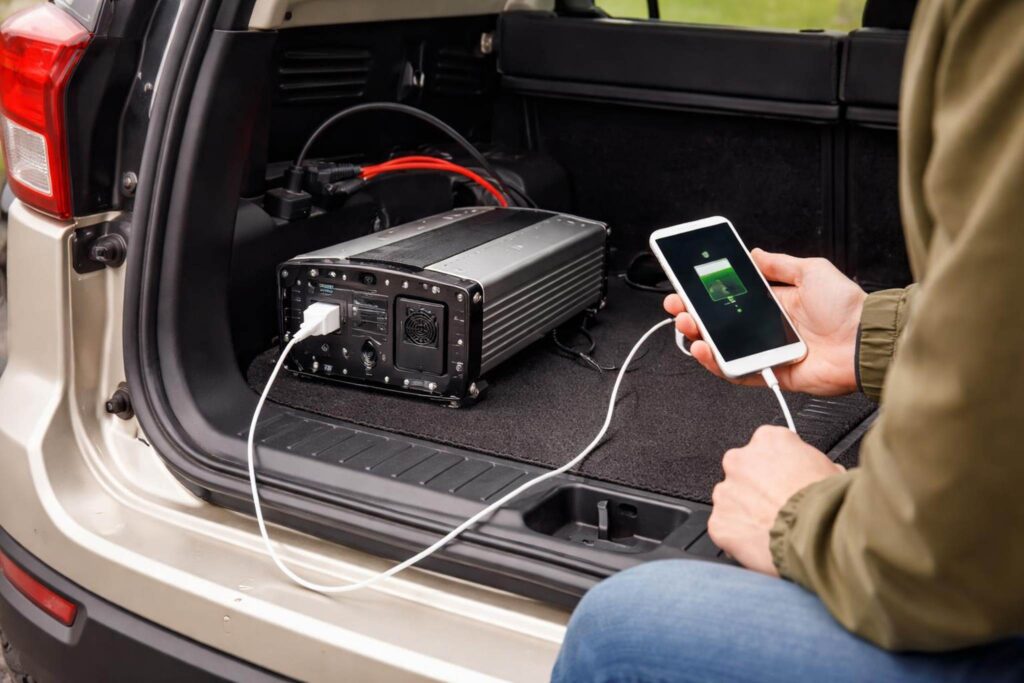
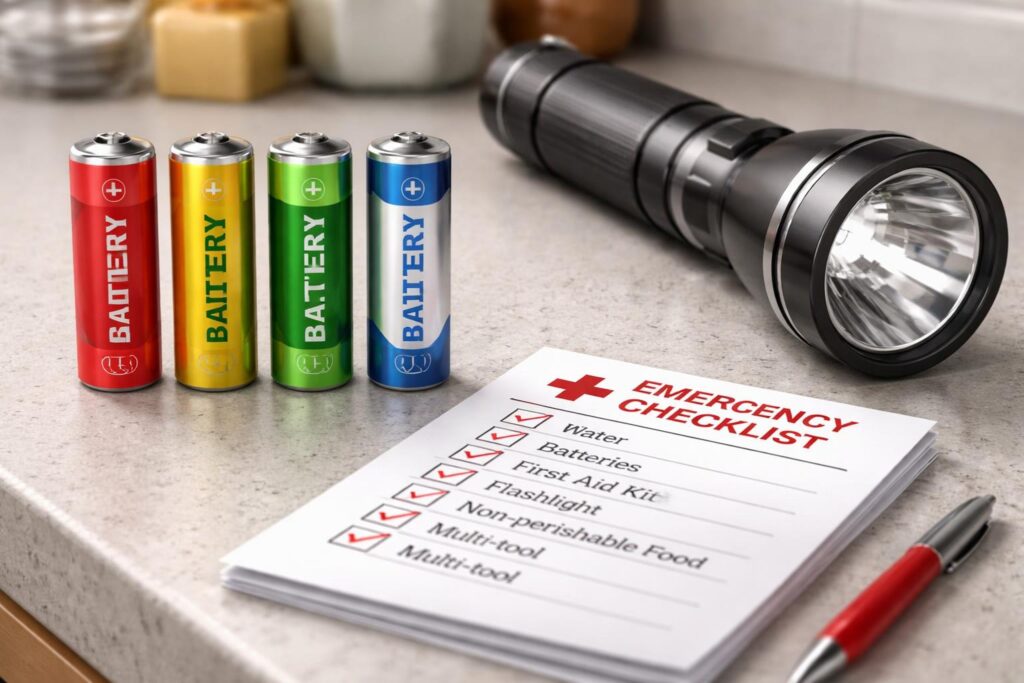
Every home should have a comprehensive emergency kit to prepare for power outages effectively. This kit is a crucial checklist item and should include a portable, battery-powered radio and multiple flashlights, along with an ample supply of extra batteries. Essential household tools like a manual can opener and bottle opener are also important. For sustenance, pack non-perishable foods that require little or no cooking, catering to any special dietary needs, baby food, and formula. Water stored in clean, non-corrosive, non-breakable, tightly covered containers, planning for at least two quarts per person per day, is vital. Personal hygiene products, sanitary supplies, diapers, and a well-stocked first aid kit are also necessary components to ensure your family can stay safe and comfortable during an extended power outage. An ice chest filled with ice or frozen ice packs can help keep food cold, while a camp stove, canned heat stove, or a hibachi grill with charcoal provides options for cooking without electricity. While a home phone or cordless phones may not work, a cell phone is useful for communication, though it’s wise to have power banks or solar chargers to keep it charged. To protect valuable electronics, ensure important electrical equipment is connected to surge protectors. The emergency kit for the entire family should also include items like books, games, and puzzles to overcome boredom, ensuring every resident is considered in the preparation.
Food Storage and Safety Tips
When preparing for a power outage, food storage and safety are paramount. Have a supply of non-perishable foods that require little to no cooking, and store enough non-perishable food and water supplies to last for at least two weeks. During an outage, it’s crucial to keep freezers and refrigerators closed as much as possible to maintain their internal temperature. An unopened refrigerator will keep food cold for about four hours, while a full freezer can keep foods frozen for approximately 48 hours (or 24 hours if it is half full). For longer outages, use coolers with ice to transfer perishable items and monitor their temperature with a thermometer. Always remember to throw out food if its temperature reaches 40 degrees Fahrenheit or higher. After four hours without power, discard refrigerated perishable food items such as meat, poultry, fish, eggs, and leftovers. Never taste food to determine its safety; when in doubt, throw it out. However, food may be safely refrozen if it still contains ice crystals or is at 40 degrees Fahrenheit or below when power is restored. Posting a sign on refrigerator and freezer doors can serve as a reminder to resist opening them, helping to ensure food safety during the power outage.
Water Supply and Usage
A reliable water supply is a critical component of any power outage preparedness plan. Water should be stored in clean, non-corrosive, non-breakable, tightly covered containers, such as clean soft drink bottles, planning for at least two quarts per person per day. It’s important to remember that electric pump-assisted faucets and toilets will not work without power, so having a reserve is essential for drinking, basic hygiene, and sanitation. Ensuring you have enough non-perishable food and water means your household will be better equipped to stay safe and comfortable, even during an extended power outage. This forward-thinking tip is key to maintaining essential services when your electrical power goes out.
First 60 Minutes After a Power Outage
Initial Actions to Take
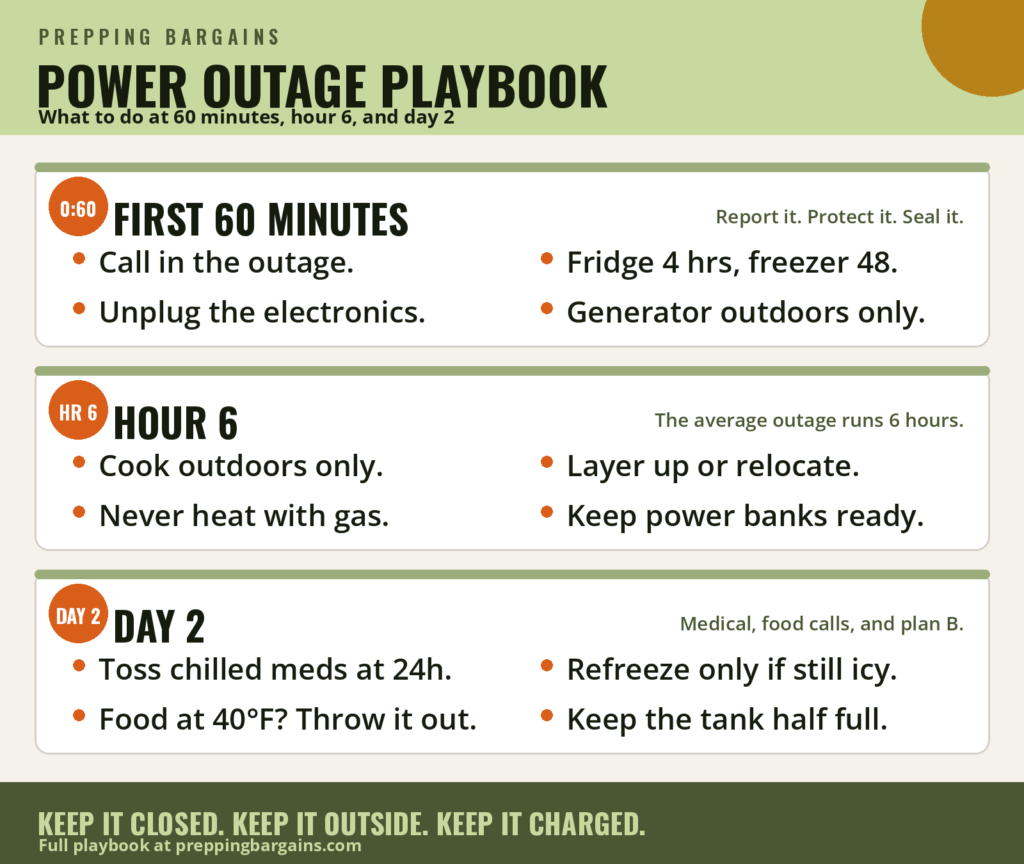
The moment a power outage occurs, several immediate actions can help you stay safe and prepare for the duration. First, all outages should be immediately reported to your electric company; many utilities offer a cell phone app or text notification system for this purpose. To protect your electronics from potential damage when power returns, unplug all major appliances and electronic devices, such as computers and televisions, to avoid a possible power surge. Leaving one light on can serve as a visual cue, indicating when your service has been restored. Ensure everyone in the house is safe and gather family members in one room to distribute lights and other emergency equipment. If it’s dark, use your cell phone flashlight to prevent injuries or falls as you retrieve your emergency kit.
Check that your flashlights are operational, replacing batteries if needed. Inventory your candles and LED lamps, and confirm your power banks and charging cables are ready to keep your cell phone charged. If there’s still light outside, set up your battery-powered lights or candles in the most commonly used rooms. A quick check of your circuit breakers to ensure they are all in the “on” position can help identify if the issue is internal; if all are on, try turning off the main breaker and then switching it back on.
If power remains out, contact neighbors to confirm the outage, and if it’s widespread, call the power company to report it. Consider a quick trip to a convenience store or gas station to stock up on bags of ice, batteries, and bottled water, bringing cash, as supplies can quickly diminish. If the outage is nearing the four-hour mark, transfer perishables to iced coolers to keep them under 40 degrees Fahrenheit, or move them to a shaded spot outside if the temperature is between 32 and 40 degrees Fahrenheit.
Assessing Food Safety
During the first 60 minutes of a power outage, assessing food safety is critical. An unopened refrigerator will keep food cold for about four hours, while an unopened freezer will keep foods frozen for 24-48 hours. The most important tip here is to resist opening either until power returns. Posting a sign on the doors can serve as a helpful reminder to all household members.
Discard any refrigerated perishable food items, such as meat, poultry, fish, eggs, and leftovers, after four hours without power. It’s imperative that you never taste food to determine its safety; when in doubt, throw it out. If the power outage is nearing the four-hour mark, take proactive steps and transfer any perishable refrigerated foods to iced coolers to keep them under 40 degrees Fahrenheit, helping to ensure your family stays safe and avoids foodborne illness during this emergency.
Using Generators Safely
If you have a generator for backup power, understanding generator safety is paramount to prevent carbon monoxide poisoning and other hazards. Always run your generator outdoors and far away from windows, doors, and vents to prevent deadly carbon monoxide from entering your home. Carbon monoxide is a byproduct of gasoline combustion and can quickly turn deadly if inhaled.
Homeowners should never operate a generator indoors, including in sheds or garages. Ensure your carbon monoxide detectors have a battery backup and test them monthly to confirm they are operational. Always connect the generator to appliances using heavy-duty, outdoor-rated extension cords, following the manufacturer’s instructions carefully to avoid electrical hazards.
Never try to connect the generator directly to your home’s electrical system without a transfer switch, as this can create a dangerous backfeed into utility lines, posing a risk to utility workers. Let the generator cool before refueling, as fuel spilled on hot engine parts can ignite, causing a fire. Adhering to these safety tips will help ensure your household can safely use a generator during an extended power outage.
Hour 6: Managing the Situation
Alternative Cooking Methods
As the power outage extends into the sixth hour, managing cooking and heating safely becomes crucial. It is important to remember that you should never use a gas stovetop or oven to heat your home, as this can lead to deadly carbon monoxide gas buildup. Similarly, avoid relying on kerosene space heaters, charcoal grills, or other open-flame heat sources indoors, as they also pose a significant carbon monoxide risk. Gas appliances with electronic ignitions will not work without electricity, and those requiring fans or other electric devices, such as central heating units, will also be inoperable. To prepare for a power outage, it is advisable to have a camp stove or a canned heat stove with enough fuel for three to five days, or a hibachi grill and charcoal, but these must only be used outdoors.
Keeping Warm and Comfortable
During a prolonged outage, maintaining warmth and comfort, especially in cold weather, requires careful planning. You should put on extra clothes or wrap up in blankets to stay warm safely. As previously mentioned, never use outdoor stoves indoors for heating or cooking, as this creates a risk of carbon monoxide poisoning. This odorless and invisible gas can build up in your home without you realizing it. If the weather is extremely hot or cold, a crucial tip is to plan to go to a location with air conditioning or heat, such as a community warming or cooling center, if available. Never use a generator, outdoor stoves, or heaters indoors. If your home becomes too hot or too cold, evacuating to a safer location is the most important step to ensure your household stays safe.
Staying in Communication
Maintaining communication is vital as the power outage continues. Your home phone or cordless telephone may not work without electricity, so a cell phone becomes your primary device for staying connected. Ensure your cell phone is fully charged or that you have power banks to charge it, as this is your link to the outside world. Use your cell phone to contact your support network to let them know you are okay, check if they are safe, and inform each other if anyone needs help. Many utility providers offer outage notification services via text or app, which can provide updates on the estimated restoration time for your electric service. Staying informed and connected helps to reduce anxiety and coordinate assistance during an extended power outage.

Day 2: Long-term Strategies
Evaluating Medical Needs
By day two of a power outage, evaluating medical needs becomes a critical long-term strategy, particularly for those with power-dependent medical equipment or refrigerated medicines. The utility provider often maintains a list of critical customers, but this does not guarantee uninterrupted service or immediate restoration. Therefore, individuals in this situation must prepare for contingency measures, such as backup generators, an alternate energy source, or evacuation to another location. It is crucial to plan for alternate arrangements for refrigerating medicines or using power-dependent medical devices. Talk to your medical provider about a comprehensive plan for medical devices that use electricity and refrigerated medicines, inquiring how long medication can be stored at higher temperatures and obtaining specific guidance for life-critical medications. If it is out for more than a day, discard any medication that requires refrigeration, unless the drug’s label states otherwise; consult your doctor or pharmacist immediately for a new supply.
Planning for Extended Outages
Planning for extended power outages requires a comprehensive approach, as such events can impact the entire community and economy, disrupting communications, water, and transportation. An extended energy outage can close retail businesses, grocery stores, gas stations, ATMs, banks, and other essential services, potentially causing food spoilage and water contamination, and preventing the use of medical devices. The most effective way to manage an extended power outage is to prepare well in advance.
Create an evacuation plan for your family, identifying where you or your family will find shelter, typically with a friend or relative outside the affected area. Additionally, consider packing an evacuation or “bug-out bag” with clothing and supplies for three days. Keeping your car gas tank at least half-filled is a wise tip, and learning how to manually open your garage door using the red safety cord is also essential, ensuring you can still leave your home if necessary during an emergency.
Restoration Notifications and Updates
As the energy outage continues, staying informed about restoration notifications and updates from your electric company is paramount. Your electric company is typically the best source for updated information concerning the expected time that your service will be restored; many offer app notifications or text message alerts.
When electricity returns, it is important to plug in appliances and electronic devices gradually, reset clocks, and, when it makes sense, check your home for any storm or electrical surge damage. After the outage, remember to inventory the items in your Power Outage Emergency Kit Checklist, replace any used items, and recharge your power banks to ensure you are fully prepared for your next emergency. Taking these proactive steps will help your household recover smoothly and ensure you are ready for future outages.
Evaluating Medical Needs
By day two of a power outage, evaluating medical needs becomes a critical long-term strategy, particularly for those with power-dependent medical equipment or refrigerated medicines. The utility provider often maintains a list of critical customers, but this does not guarantee uninterrupted service or immediate restoration. Therefore, individuals in this situation must prepare for contingency measures, such as backup generators, an alternate energy source, or evacuation to another location. It is crucial to plan for alternate arrangements for refrigerating medicines or using power-dependent medical devices.
Talk to your medical provider about a comprehensive plan for medical devices that use electricity and refrigerated medicines, inquiring how long medication can be stored at higher temperatures and obtaining specific guidance for life-critical medications. If it is out for more than a day, discard any medication that requires refrigeration, unless the drug’s label states otherwise; consult your doctor or pharmacist immediately for a new supply.
Planning for Extended Outages
Planning for extended power outages requires a comprehensive approach, as such events can impact the entire community and economy, disrupting communications, water, and transportation. An extended energy outage can close retail businesses, grocery stores, gas stations, ATMs, banks, and other essential services, potentially causing food spoilage and water contamination, and preventing the use of medical devices. The most effective way to manage an extended power outage is to prepare well in advance.
Create an evacuation plan for your family, identifying where you or your family will find shelter, typically with a friend or relative outside the affected area. Additionally, consider packing an evacuation or “bug-out bag” with clothing and supplies for three days. Keeping your car gas tank at least half-filled is a wise tip, and learning how to manually open your garage door using the red safety cord is also essential, ensuring you can still leave your home if necessary during an emergency.
Restoration Notifications and Updates
As the energy outage continues, staying informed about restoration notifications and updates from your electric company is paramount. Your electric company is typically the best source for updated information concerning the expected time that your service will be restored; many offer app notifications or text message alerts.
When electricity returns, it is important to plug in appliances and electronic devices gradually, reset clocks, and, when it makes sense, check your home for any storm or electrical surge damage. After the outage, remember to inventory the items in your Power Outage Emergency Kit Checklist, replace any used items, and recharge your power banks to ensure you are fully prepared for your next emergency. Taking these proactive steps will help your household recover smoothly and ensure you are ready for future outages.