
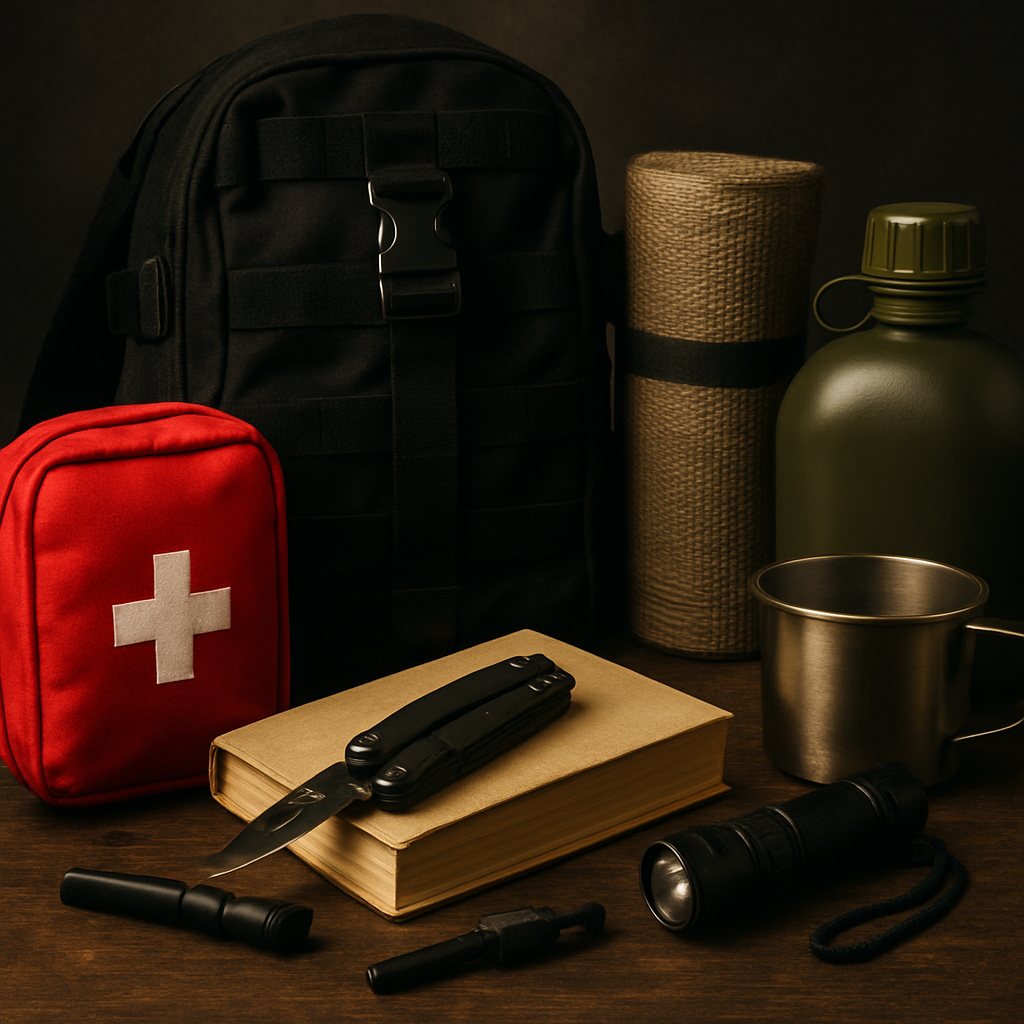
Finding the best deals on survival and prepping gear isn’t about chasing every flash sale; it’s about credible savings you can rely on. This pillar guide provides a repeatable process to locate trusted savings, read price history, and build a ready stockpile without sacrificing gear reliability. You’ll learn where to source deals, how to time purchases around major sale events, and how to evaluate value beyond the price tag.
1. Defining a Best Deal for Survival Gear
A true best deal in survival gear isn’t the cheapest price; it’s the blend of price, durability, warranty, and field reliability you can actually rely on. In practice, value means gear you won’t replace next season, not a sticker price that looks attractive in the cart. Price cuts that come with weaker materials, shorter warranties, or limited returns end up costing more in downtime and replacements—so treat deals as bundles of risk and reward, not a single number. The best deals require a quick judgment about whether a discount actually improves your readiness, not just your wallet.
- Essential vs optional: Focus on building a core kit first; if a discount hits optional items, it’s a chance to stockpile later.
- Use a simple rubric: Score each deal on durability, warranty, return policy, and field reliability on a 1–5 scale for quick comparison.
- Total cost of ownership: Include shipping, taxes, and potential fees; factor lead times and re-stocking costs into the decision.
- Credibility check: Prefer reputable retailers and manufacturer outlets with clear warranties and straightforward return policies.
Example: You find a two-person tent discounted 55% during a flash sale. The price is attractive, but the rainfly fabric feels thin and seams look taped on a budget shell. A similar model with a 30% discount uses thicker materials and carries a more robust warranty. Even though the first option saves more upfront, the second offers real reliability over multiple seasons, which the rubric flags as the better overall deal.
A practical insight: chasing the deepest discount on gear you can’t validate in the field often backfires. In practice, treat essential items as nonnegotiables and only chase discounts within those boundaries. If a deal requires sacrificing core usability or spare parts, it isn’t a best deal.
Takeaway: Apply this rubric to every item on your list before purchase and keep a simple deal log to improve decisions on future shopping sprees.
2. Where to Find Reliable Deals: Retailers, Manufacturers, and Marketplaces
Reliable deals on survival gear come from three credible channels, not from chasing the lowest sticker price alone. Manufacturer outlets and official clearance pages expose overstock, discontinued models, and factory seconds with solid warranties, which keeps reliability intact while slashing cost. Major retailers with dedicated prep ecosystems—think outlets, seasonal sale sections, and loyalty perks—often present cleaner returns policies and faster shipping, even on deep discounts. The real edge is reading total value, not just the headline price: shipping, taxes, lead times, and return terms change the math fast. That means a deal can look great on the surface but falter once you add in a long wait or a restrictive warranty.
Framework for locating reliable deals breaks into three buckets. Manufacturer outlets and official sale pages from brands such as LifeStraw, Katadyn, Jetboil, and MSR. Retailers with strong prep gear ecosystems like REI Outlet, CampSaver, Backcountry, Bass Pro Shops, and Cabela’s. Deal-focused marketplaces and community hubs such as Slickdeals and deal newsletters that offer exclusive promo codes and cashback opportunities. Use price history data to separate real savings from brief price dips, and lean on loyalty programs for early access to sale events. The combination lets you build a repeatable process rather than scavenging random discounts.
Concrete Example: during Prime Day, a reader found a Jetboil stove at a manufacturer outlet with a 20–25% markdown, stacked a site-wide coupon from Honey, and earned cashback through Rakuten. Adding free shipping and a straightforward return policy pushed the effective savings well into the 30–40% range. That shows how credible channels, history-backed pricing, and stacking incentives create real bottom-line savings rather than a flashy but fleeting price cut.
Trade-offs and practical limitations matter. Some deals require waiting for stock, which is fine for non-urgent pantry or filtration needs but risky for imminent trips. Refurbished or open-box gear can be high value for non-critical items, but you must confirm warranty terms and seller reputation. Shipping costs can erase small discounts; always factor them into the total cost, and prefer retailers with transparent shipping and easy returns. A disciplined approach also means discounting the idea that more discounts equal better gear—verify fit, warranty, and field reliability before buying to avoid wasteful stockpiling.
3. Reading Price History: Tools that Reveal Real Savings
Reading price history turns price drops into real savings on survival gear. Price history data lets you see whether a deal is a true bargain or a brief flash of discount driven by marketing. The goal is not to chase every sale but to confirm that a price you pay today is measurably lower than the recent norm.
How price history tools equip you to judge a best deal
Tools like Keepa price history and CamelCamelCamel price history track price trajectories for items on major marketplaces. Keepa covers more retailers in addition to Amazon, while CamelCamelCamel focuses on price histories for many Amazon listings. Pair them with coupon and cashback tools like Honey and Rakuten to capture stacking opportunities, then set alerts for price thresholds you care about. Real savings come from combining price history with practical buying power, not from a single markdown. Read the shapes of the charts: a brief dip is noise, a sustained dip across weeks is meaningful, and a dip tied to a bundle or a limited time offer requires special handling to confirm true value.
- Baseline price anchor: Find the normal range on price history charts for the item, so you can recognize a meaningful dip rather than a one-off drop.
- Discount validation: Check if the dip appears across multiple retailers or is tied to a specific marketplace.
- Stock and seller reliability: Confirm the item is in stock and sold by a reputable seller to avoid fakes or misrepresented conditions.
- Total landed cost: Include shipping, taxes, and any cashback or coupons to assess true value.
- Pattern recognition: Differentiate noise from genuine shifts by looking at price history over 6-12 weeks and noting whether dips hold or revert quickly.
Concrete example: I tracked a LifeStraw Personal Water Filter with Keepa. The baseline hovered around $15–$18 for months, then a Prime Day dip to $11 appeared for a 24 hour window. With a Honey coupon and Rakuten cashback applied, the landed cost dropped roughly to $9 after discounts, illustrating how price history plus stacking changes the true value of a deal.
Be aware price history tools have blind spots. They often cover only major retailers and the data can lag behind fast flash sales. Bundled offers, open box, or refurbished items may look cheap in price history but carry different risk. Also, a low price today may be accompanied by long shipping times or limited warranty support, which erodes the value of the savings for preparedness buyers.
Takeaway: Price history is a disciplined tool to separate real savings from marketing tactics, then decide on gear based on reliability and total cost.
4. Timing Your Purchases: Seasonal Windows and Buying Calendars
Timing is not optional. Implementing a buying calendar turns best deals into predictable savings you can rely on. This framework helps you align sale events with your gear needs without drifting into impulse buys. You’ll maximize return on every dollar while protecting readiness.
First, define your seasonal thrusts. Water filtration, stove systems, and fuel see the strongest demand during late spring and early summer as outdoor trips resume. Pantry items and storage gear spike in late summer as households prep for winter stockpiles. Understanding these rhythms helps you target the right category at the right moment.
Next, map the sale calendar. Major events matter, but the real leverage comes from retailer cycles and manufacturer outlets. Prime Day, Black Friday, and Memorial Day bring meaningful price cuts, yet the best value often comes from pre-announced bundles and refreshed stock. Don’t miss category-specific windows from REI Anniversary, CampSaver clearance, or retailer-wide seasonal resets.
Then, implement price tracking and stock checks. Set price alerts 6–8 weeks before your planned buy and watch the history rather than chasing a single day. If an item hits your target price but is backordered, treat it as a signal to wait for the next drop or to switch to a near-identical model with solid reviews. Always verify shipping times so a great price doesn’t turn into a late arrival.
Operational steps to build your calendar
- Create a rolling 3–4 month horizon of needs and potential sale windows.
- Attach lead times to each item (shipping 1–3 weeks; special orders longer).
- Schedule purchases to spread cash and avoid stockouts.
- Buffer for unexpected price dips or stock shortages with alternate models.
Practical example: You want a compact water filtration system and a compact stove for weekend trips. Start monitoring price history 8 weeks out. By week 6, Prime Day hits show strong price cuts; you stack a coupon and cashback for a total 25–30% off. You place the order in week 7 and expect delivery before your month-long camping trip.
5. Assessing Gear Quality While You Save
Best deals in survival gear aren’t just the lowest price. In practice, value is a function of performance, durability, and policy as much as price. When you chase savings, treat reliability as the gatekeeper: a deep discount is a risk indicator if the gear can’t stand up to field use or if the return window is murky.
To judge quality without sacrificing savings, anchor your checks around three signals: independent testing or certifications, clear warranty terms, and a sensible return policy. Look for certifications such as NSF for water filters or UL listings for stoves. A robust warranty and an easy returns path reduce risk when you’re buying discounted gear For price insight, verify that the dip is real by reviewing price history rather than reacting to a one‑day drop. Start with price history tools like Keepa and CamelCamelCamel: Keepa and CamelCamelCamel.
Discounted gear can be older revisions or refurbished stock. That isn’t inherently bad if you verify specs and warranty. If you decide to pursue the deal, confirm the current model year, check compatibility with your existing setup, and ensure spare parts remain available. If the deal comes with a shortened return window or limited support, you’ll want a quick, low‑risk checkout.
Concrete Example: You spot a deep cut on a Katadyn water filter from an official outlet. You pull price history and see the price held steady for weeks, not a flash sale. You verify it includes the standard warranty and confirm replacement cartridges are in stock. The shipping ETA matches your prep schedule, so you buy. If any check had failed, you would pass and wait for a more stable value.
Use a practical framework in practice: (1) Certifications and warranties that validate long‑term performance; (2) Total landed cost including shipping and tax; (3) Return policy and retailer reliability; (4) Fit and intended use for your plan; (5) Evidence of price history to confirm real savings. Apply this to every prospective purchase, especially during sale events when impulse buys spike.
- Certifications and standards to verify (NSF, UL, CE, etc.)
- Warranty coverage clarity and duration
- Return policy clarity and ease of processing
- Price history validation with established tools
- Shipping costs and timelines that affect total savings
- Refurbished/open‑box terms and warranty coverage
End with a clear next step: integrate this assessment into your ongoing deal workflow so every potential purchase passes the same reliability and value test, no matter how good the price looks.
6. Stacking Savings: Coupons, Cashback, Bundles, and Refurbished Gear
In practice, the best deals come from combining savings streams, not chasing a single discount. A coupon can cut 10 to 20 percent, but when you add cashback and bundled offers, the landed cost drops more reliably than chasing flash price cuts alone. Treat coupons, cashback, and bundles as a portfolio rather than independent hacks. If you’re chasing credible best deals, measure value by the total landed cost, not the sticker price, and verify how shipping, taxes, and returns affect that value.
Adopt a four-lane framework: coupons, cashback, bundles, and refurbished gear. Each lane has its own speed and risk, and the real value shows up when you mix them. Start by auditing which needs can unlock the strongest combination, then map credible sources for each lane: coupon databases and browser extensions, cashback programs like Rakuten, manufacturer or retailer bundles, and trusted refurbished outlets. Don’t rely on a single tactic—stacking pays off on items with solid warranties and predictable performance. For community prompts and sharpened deal eyes, use Slickdeals.
Concrete example: a portable stove drops from 59.99 to 39.99 during a sale. You apply a 10 off coupon, stack 5% cashback via Rakuten, and select a bundle that includes a fuel canister and windscreen, lifting shipping to free. The landed price lands around 34.99 before tax, about a 40 percent drop from the list price, with the stove’s warranty unchanged.
Bundles lure you into buying items you don’t actually need, and the savings evaporate if you don’t value the extras. Refurbished or open-box gear can shave costs, but verify warranty coverage, cosmetic condition, and whether the item was tested for field reliability. Some coupon terms outright exclude bundles or require a minimum basket size. Shipping thresholds matter too—if free shipping kicks in only at a high total, the discount can vanish after tax. Always compute the true landed cost before pulling the trigger.
- Step 1 — Audit your list: Prioritize essential items and set a realistic landed cost you won’t exceed.
- Step 2 — Scan for codes before checkout: Check coupon sites and extensions for applicable codes on your item page.
- Step 3 — Confirm cashback eligibility first: Open the cashback portal and start the session before adding to cart to ensure the track is active.
- Step 4 — Evaluate bundles critically: Only accept bundles that genuinely save you money on items you would buy separately.
- Step 5 — Consider refurbished with conditions: If the warranty is solid, refurbished gear can lower cost without sacrificing safety.
- Step 6 — Compute landed cost and test returns: Include shipping, taxes, potential fees, and review return policies before purchase.
7. Real World Case Studies: Deals that Shaped Prep Purchases
Real-world deals teach where value lives. The best deals that actually shape a prep stash are built from credible sources, verified price histories, and solid post-purchase support—not the spur of a one-day discount. These stories show how a planned list, disciplined timing, and careful vetting beat impulse buys every time.
Case Studies in Practice
- Case A — REI Garage Sale style upgrade: A reader used a regional garage-sale style event to upgrade a tent and sleeping system, trading yesterday models for near-new gear at a steep discount while preserving warranty and return options. The real win is reliability at a fraction of new price, not a hollow sticker price cut. The reader verified seam integrity, tested zippers, and confirmed remaining manufacturer coverage before purchasing.
- Case B — Prime Day bundle win: On Prime Day, a reader stacked sale prices with a LifeStraw water filter bundle and a Jetboil stove, plus a coupon and cashback. The combined savings approached 30–45% off list price, and the gear arrived before a planned weekend trip, avoiding rushed substitutions and high last-minute costs. Price history showed these items held steady post-event, making the decision durable rather than one-off.
- Case C — Pantry and dehydration stack: A reader used coupon stacking and cashback programs to outfit a pantry with long-term storage containers and a dehydrator, achieving a high-value set with full warranties by shopping across official outlets and trusted retailers. They validated return policies and ensured compatibility with existing shelves, preventing future clutter or mismatches.
A practical note: these wins require timing, stock awareness, and sane shipping expectations. The same deal that saves money can derail your plan if it arrives late or carries limited warranty for the item you actually need.
Next considerations: build a quarterly deals calendar that ties to your emergency kits, storage needs, and seasonal prep goals, then validate each item’s value against your long-term readiness rather than chasing the deepest cut alone.
